
English Lesson Plan for Year 6
- Synopsis of the book
- Themes
- How to write a book review
- You will need copies of the book for the students to read
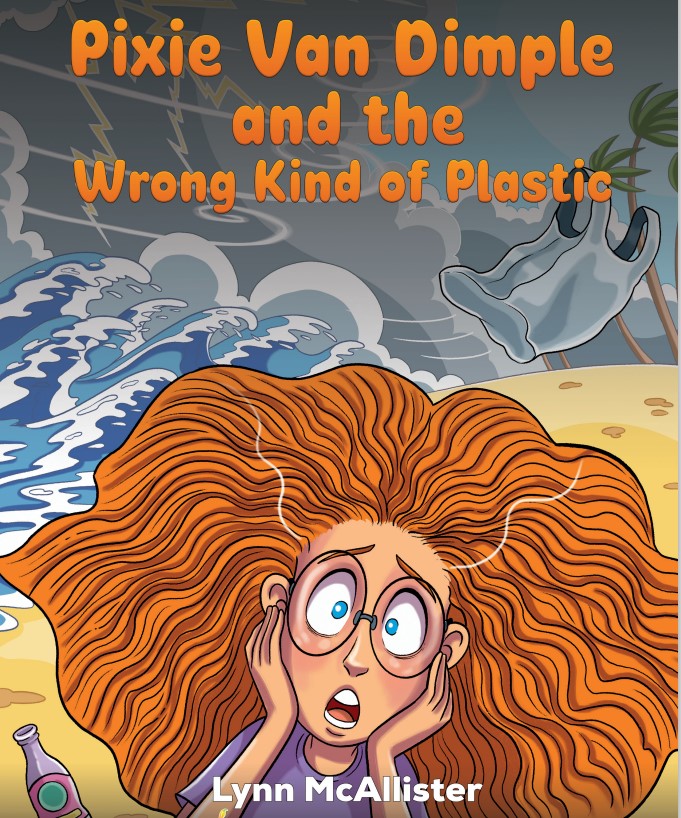
Title: Pixie Van Dimple and the Wrong Kind of Plastic
Synopsis:
Pixie Van Dimple and her family decide to spend a hot summer day at the beach. The Van Dimples pack light and head south, excited for a day filled with sun, sea, and delicious fish and chips. Pixie and her sister Trixie, however, have a different plan. While their father is preoccupied with getting lunch, they sneak off to the sweet shop to buy a stash of candy.
As they return to the beach, happily munching on their sweets, they carelessly dispose of their plastic wrappers and bottles by throwing them into the sea. Unbeknownst to them, this small act of littering unleashes a catastrophic environmental disaster.
The discarded plastic waste transforms into a monstrous entity, a horrifying amalgamation of sea creatures ensnared and killed by pollution. This grotesque, whale-like beast, fueled by humanity’s disregard for the environment, emerges from the depths, seeking vengeance.
The situation escalates rapidly, drawing global attention. Governments unite to tackle the crisis, deploying a powerful laser from a space-based platform to neutralize the threat. The effort is successful, but just barely, averting a total environmental apocalypse by a narrow margin.
Pixie and Trixie, having narrowly escaped death, are left shaken and remorseful. They realize the severe consequences of their actions and pledge to become advocates for environmental protection, aiming to prevent such a disaster from ever happening again.
The story ends on a hopeful note, with Pixie taking the lead in a global movement to find solutions to the plastic pollution problem, urging readers to join her in the fight to save the planet.
Themes:
1. Environmental Conservation 🌱🌍
- Understanding Ecosystems – Teach students how different ecosystems (oceans, forests, rivers) work and why they are essential for life on Earth.
- Human Impact – Discuss deforestation, pollution, and climate change, and how human actions can disrupt nature’s balance.
- The Role of Young Activists – Highlight inspiring real-world figures like Greta Thunberg or Boyan Slat (who invented The Ocean Cleanup) to show how young people can make a difference.
- Small Actions, Big Impact – Encourage students to adopt simple conservation habits like recycling, reducing waste, and protecting local green spaces.
2. The Impact of Pollution on Marine Life 🐠🌊
- Plastic Pollution and Its Journey – Explain how plastic waste travels from land to the ocean, affecting marine life through ingestion and entanglement.
- Real-Life Consequences – Use case studies of sea creatures affected by pollution (e.g., turtles mistaking plastic bags for jellyfish or whales found with plastic in their stomachs).
- The Chain Reaction – Show how marine pollution impacts the entire food chain, including humans who consume seafood.
- Solutions and Innovations – Introduce creative solutions such as biodegradable packaging, ocean cleanup projects, and the importance of beach clean-ups.
3. Personal Responsibility and the Consequences of Careless Actions 🚯⚖️
- Every Action Has an Effect – Explain how littering, excessive plastic use, and wasteful habits contribute to larger environmental problems.
- From Small Mistakes to Big Problems – Use relatable examples (like throwing away a plastic bottle that ends up in the ocean) to demonstrate how minor actions can have serious consequences.
- Making Responsible Choices – Teach the importance of reducing, reusing, and recycling, and how simple choices (like using a reusable bottle) can make a difference.
- Empowering Students – Encourage students to take ownership of their actions and be part of the solution by making better choices and spreading awareness.
4. The Power of Collective Action in Addressing Global Issues 🤝🌎
- Why Working Together Matters – Explain how large-scale problems (like climate change and ocean pollution) can only be solved when communities and countries work together.
- Examples of Global Movements – Introduce students to successful global initiatives, such as Earth Day, The Ocean Cleanup, and school-led climate strikes.
- Teamwork in Action – Conduct classroom activities where students collaborate to solve an environmental problem, reinforcing the importance of teamwork.
- How Kids Can Lead Change – Empower students to take action, whether through petitions, school projects, or simply spreading awareness within their community.
This tale combines adventure and a strong moral lesson, aiming to educate young readers about the importance of caring for the environment and the severe consequences of pollution.
Lesson Plan: Writing a Book Review (You will need to read the book to the students, with them or ask them to read it themselves, prior to the lesson!)
Objective: Students will learn how to write a book review by analyzing the story “Pixie Van Dimple and the Wrong Kind of Plastic.” They will understand the structure of a book review, learn to express their opinions, and support their views with examples from the text.
Materials:
- Copies of the synopsis of “Pixie Van Dimple and the Wrong Kind of Plastic”
- Whiteboard and markers
- Writing paper and pens
- Book review template handouts
Lesson Duration: 60 minutes
Introduction (10 minutes):
- Warm-Up Discussion:
- Ask students if they have ever read a book review. What information do they expect to find in a book review?
- Explain the purpose of a book review: to inform potential readers about the book and to provide the reviewer’s opinion on it.
- Introduction to the Story:
- Briefly introduce “Pixie Van Dimple and the Wrong Kind of Plastic.”
- Read the synopsis aloud to the class.
Direct Instruction (15 minutes):
- Explain the Structure of a Book Review:
- Introduction: Provide the book’s title, author, and a brief summary.
- Body:
- Characters: Describe the main characters and their roles.
- Plot: Summarize the main events without giving away the ending.
- Setting: Describe where and when the story takes place.
- Themes: Identify the main themes or messages of the book.
- Opinion: Provide your personal opinion on the book. What did you like or dislike? Would you recommend it to others?
- Conclusion: Summarize your overall thoughts and restate your recommendation.
- Example Review:
- Share an example of a book review with the students. Go through each part of the review, highlighting how it follows the structure.
Guided Practice (15 minutes):
- Class Discussion:
- Discuss the characters, plot, setting, and themes of “Pixie Van Dimple and the Wrong Kind of Plastic” as a class.
- Write down key points on the whiteboard.
- Group Activity:
- Divide the students into small groups. Give each group a book review template.
- Ask each group to fill in their template based on the class discussion.
Independent Practice (15 minutes):
- Writing the Review:
- Ask students to write their own book review individually, using the template and notes from the discussion.
- Encourage them to include their personal opinions and support their views with examples from the story.
Conclusion (5 minutes):
- Sharing Reviews:
- Invite a few students to share their reviews with the class.
- Provide positive feedback and constructive suggestions.
- Wrap-Up:
- Summarize the key points of writing a book review.
- Encourage students to review other books they read in the future.
Evaluation:
- Assess students’ book reviews based on clarity, structure, use of examples, and expression of personal opinion.
- Provide individual feedback to help them improve their writing skills.
Book Review Template:
- Introduction:
- Title: ___________________________
- Author: ___________________________
- Brief Summary: ___________________________
- Characters:
- Main Characters: ___________________________
- Descriptions and Roles: ___________________________
- Plot:
- Main Events: ___________________________
- Setting:
- Where and When: ___________________________
- Themes:
- Main Messages: ___________________________
- Opinion:
- What I Liked: ___________________________
- What I Disliked: ___________________________
- Would I Recommend: ___________________________
- Conclusion:
- Overall Thoughts: ___________________________
- Recommendation: ___________________________
This lesson plan will guide students through the process of writing a thoughtful and structured book review, helping them develop their analytical and writing skills.
Pixie and I would be really interested to read all your reviews! We could publish some of them on our website!
Teachers, we welcome your feedback too!
Lynn & Pixie XOXOXOXO
You can buy Pixie’s book on all online platforms including Amazon here
You might like to read Pixie’s other book, Pixie Van Dimple and the Wrong Kind of Artificial Intelligence too !
 Lynn McAllister